DISK.O., 2027
Le jeu des Sisyphes, 2025
Jiddu, 2025
La table verte, 2024
El Adaptador, 2024
Songlines, 2023
My Epifunny, 2022
Music all, 2021
No Paraderan, 2020
My soul is my Visa, 2018
iFeel4, 2017
iFeel3, 2016
Cry, 2014
Flower Power, 2012
iFeel2, 2012
Sì, Viaggiare, 2011
iFeel, 2009
Autoportrait, 2009
Freezao/Défreezao, 2008
Feelings, 2007
C comme conférence, 2007
L’Opérette sans sou, si…, 2006
Siesta coming out, 2005
Freezan/Défreezan, 2004
Karaoqu’il me bouge, 2004
Prudence, 2002
Au-delà de l’oignon, 2002
Blitz, 2002
Clo-Clopinettes, 2001
Les Petits Robert(s), 2001
Freeze/Défreeze, 2000
Multi(s)me, 2000
Total, 1999
Thank you for coming, 1999
Égoïne, 1998
Un maximum d’élan, 1997
Muses et homme, 1996
Business, 1995
I neetzsch you, 1995
Flack(s) 11, 1990
Sì, Viaggiare
2011
Concept and choreography: Marco Berrettini
Dance: Marco Berrettini, Jean-Paul Bourel, Sébastien Chatellier, Laetitia Dosch, Bruno Faucher, Katy Hernan Semelet, Vanessa Le Mat, Antonio Pedro Lopes, Samuel Pajand
Set: Marco Berrettini
Costumes: Sylvia Faleni, Ella Abbonizio
Lights: Denis Faure, Bruno Faucher
Sound: Samuel Pajand, Marco Berrettini
Production management: Sévérine Péan
Construction: Acte II
Music: Beetamix, Summer Music, Whitney Houston
Production: *Melk Prod (Genève), Tanzplantation (Paris)
Coproduction: ImPulsTanz (Vienna), Festival d’automne à Paris, CNCD (Angers), Arsenic (Lausanne), La Bâtie (Genève)
With the support of: ImPulsTanz – Vienna International Dance Festival and the Department of Culture of the City of Geneva, the Department of Public Education of the Republic and Canton of Geneva, and Pro Helvetia – Swiss Arts Council, DRAC Ile-de-France under the scheme for support to the contracted dance company, and the Compagnie Gilles Jobin (studio accommodation), with support for the production’s touring from Arcadi.
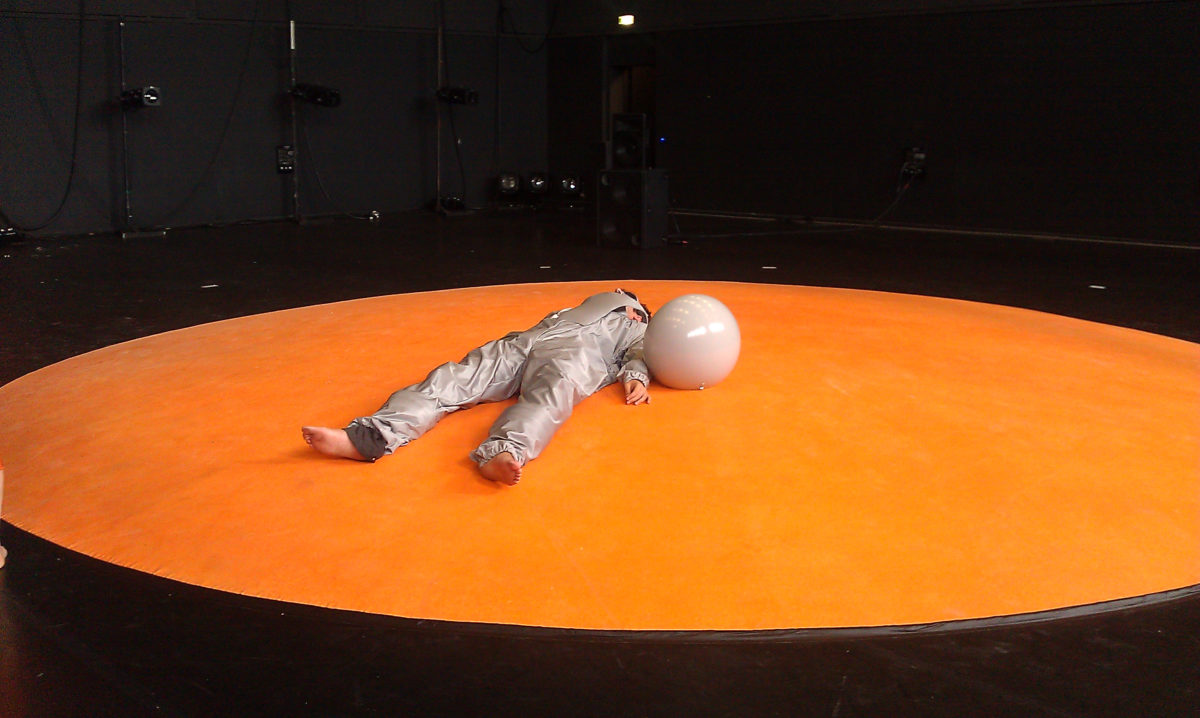
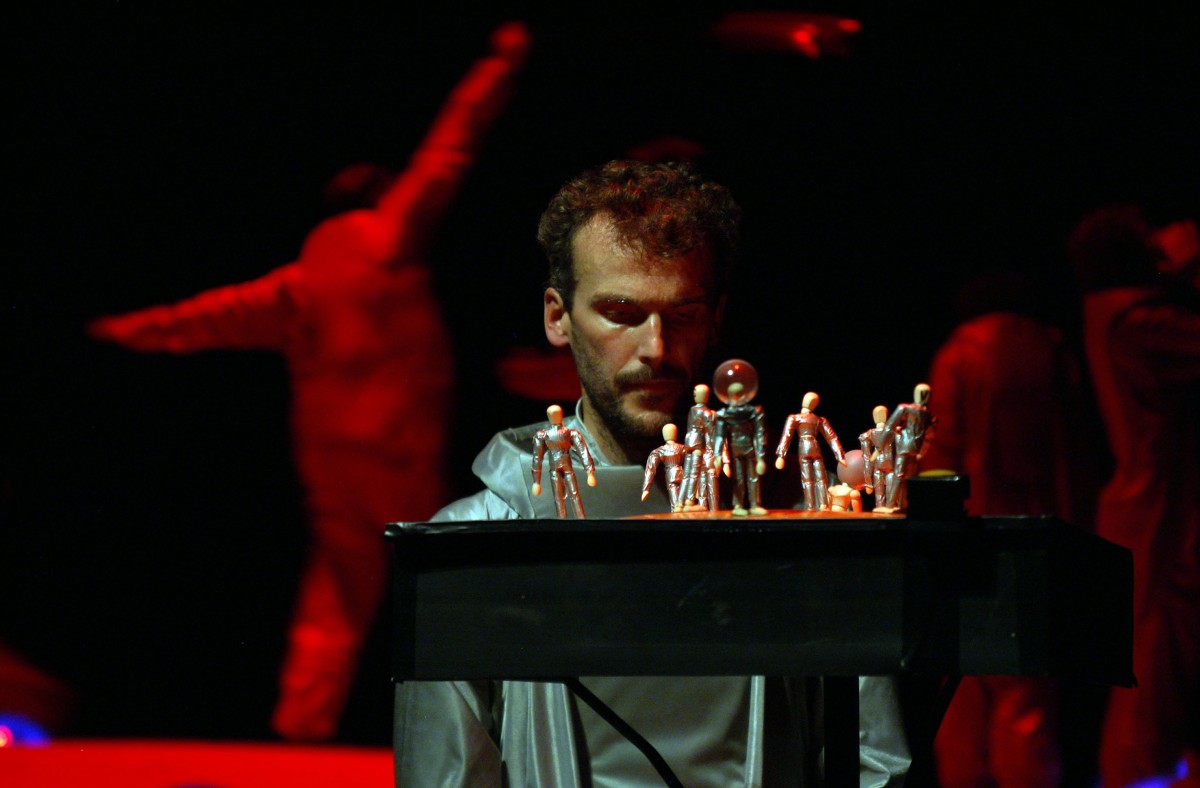
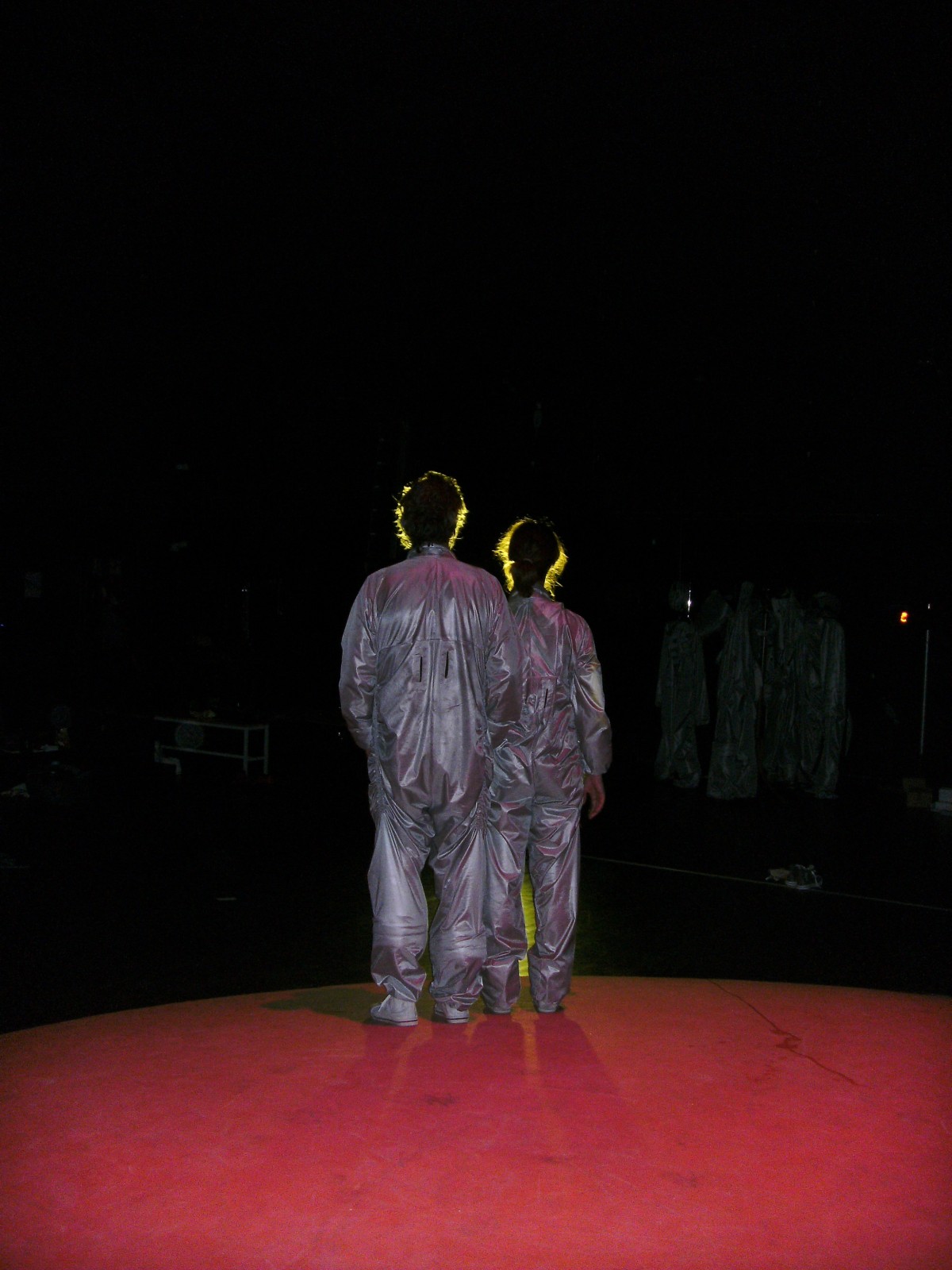
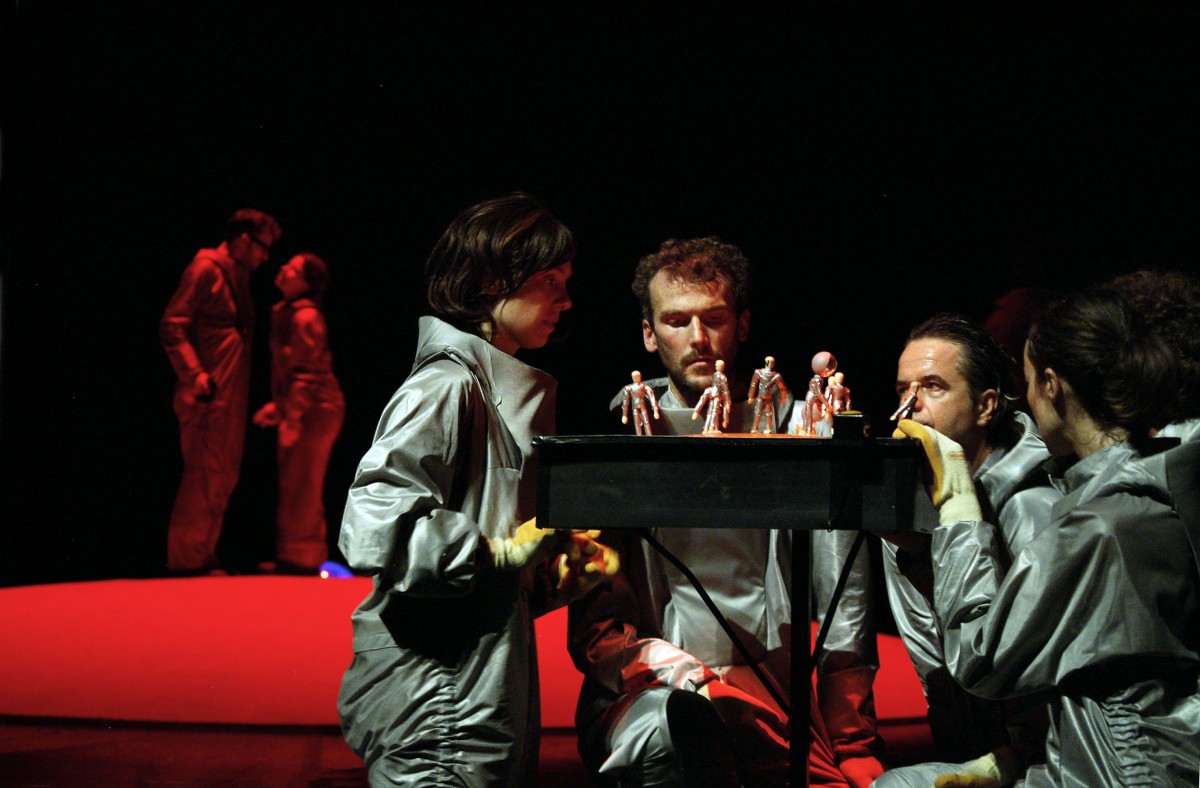
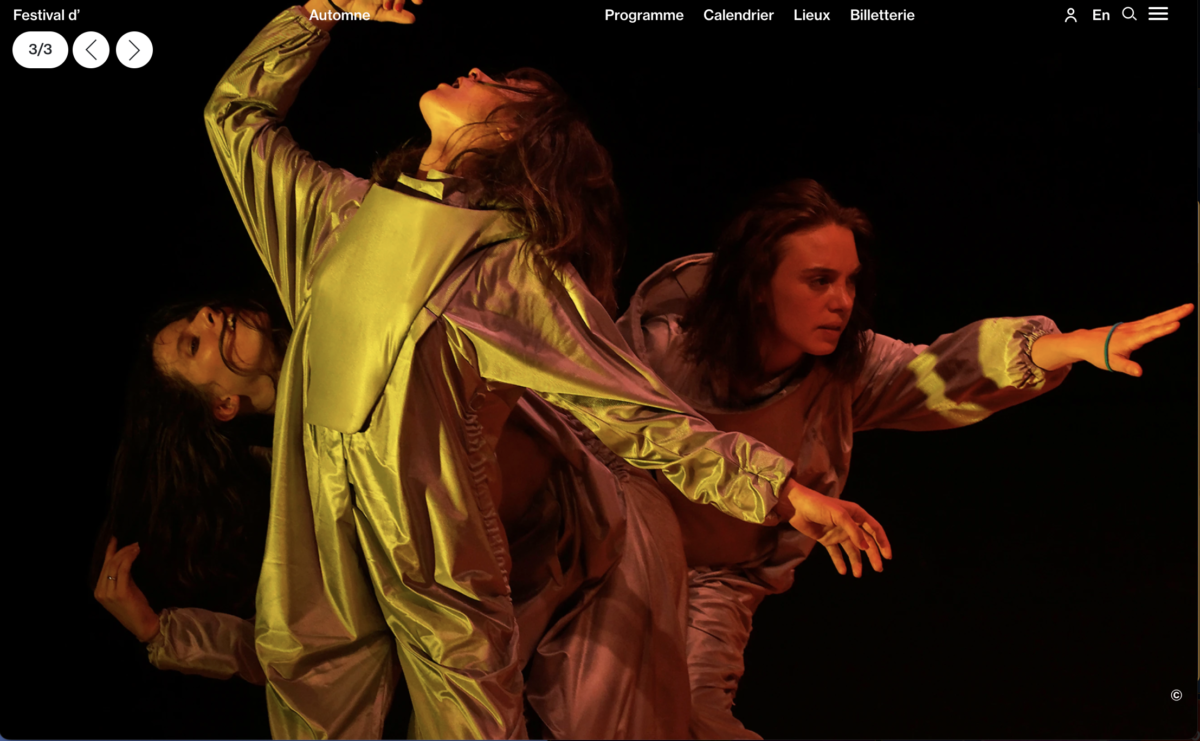
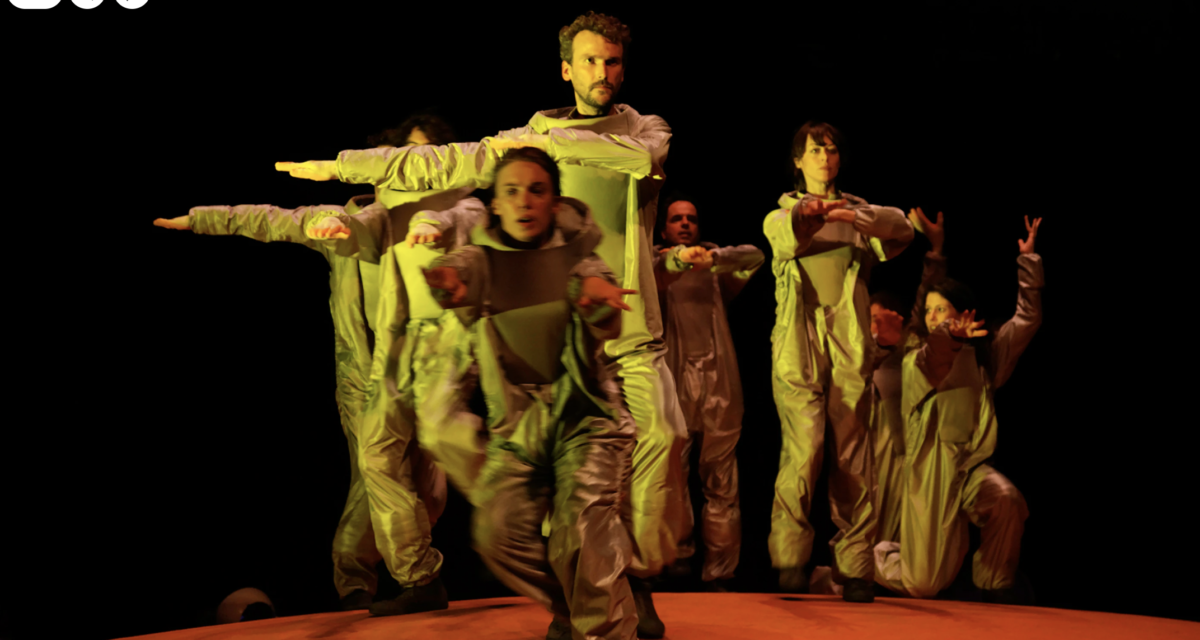
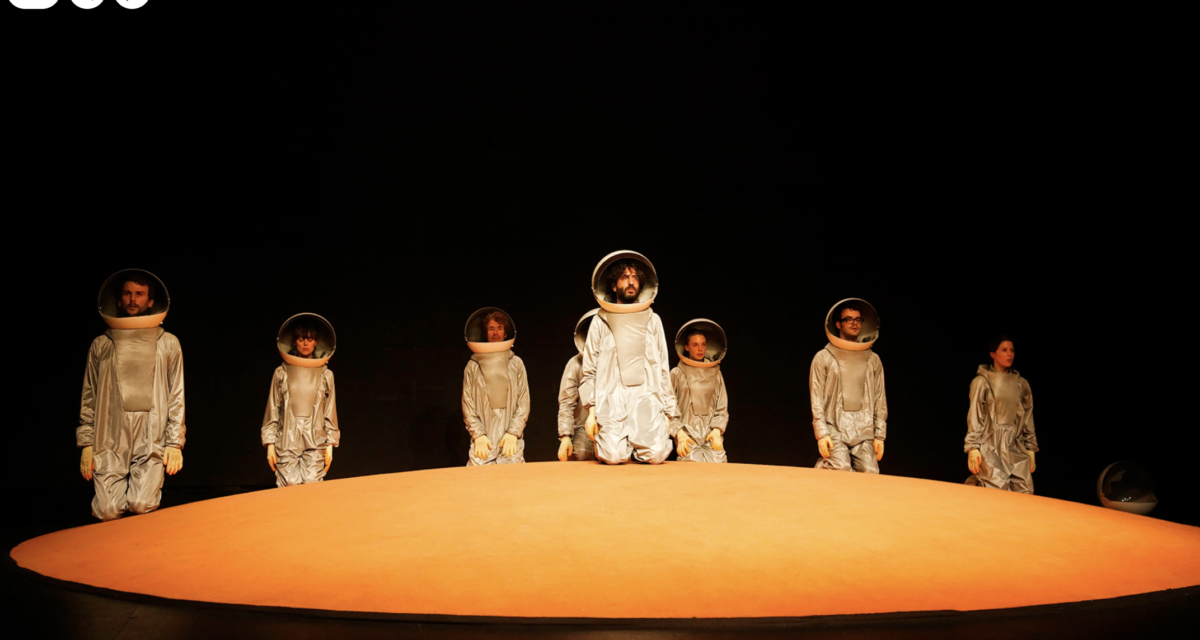
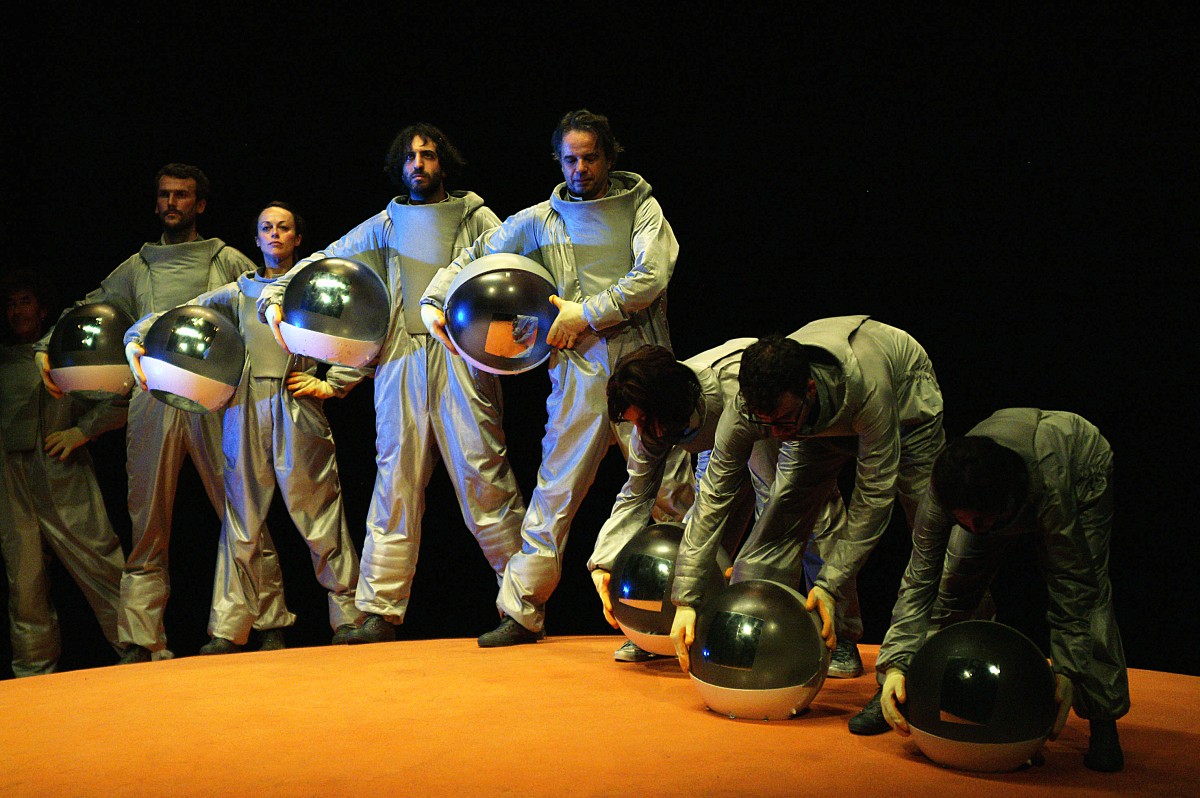
Nine astronauts, the Arshocks, hailing from different galaxies, land on the tiny planet Lena. In keeping with tradition, these representatives of the intergalactic community will reaffirm their friendship and respect for civilisations that are alien yet neighbouring, before testing their respective skills against one another.
In the age of Facebook, blogs and dating sites—in this era of ‘holy communication’—have we developed ‘grids’, ‘parameters’ for judging others so stringent, even before we can look one another in the eye, that a contemplative attitude towards the unknown, humility in the face of the foreign, and a genuine ‘sphere’ of intimacy have become impossible?
This is the central question of ‘Si, Viaggiare’. To answer it, the performers undertook a process of exploration: on the one hand, in the studio, in the hope of (re)discovering one another; and on the other, each on their own, in the city, in public spaces, in search of the unknown—which is always an encounter with oneself—provoking introspection that comes up against fears, pains and secrets.
Like dancing, desperate, pensive, disoriented astronauts who, not knowing where they come from or where they are going, no longer even know who they are.
Travelling is part of human nature. And indeed, people – of every era, age, generation and religion – have always travelled; initially to find food, and later driven by curiosity, greed or simply an unquenchable desire for knowledge. This has made them wiser, better able to understand the world and to grasp it for what it is: without pretence, ideology, dogma, illusions or futile hopes. In this sense, travel has a philosophical dimension: regardless of the goals it pursues. This makes it a metaphor for a journey about which – as with life itself – we know very little and will ever know very little.’ Claudio Bonvecchio
Neuf astronautes, les Arshock, venant de galaxies différentes, atterrissent sur la minuscule planète Lena. Selon la tradition, ces représentants de la communauté intergalactique, renouvelleront leur amitié et leur respect pour les civilisations étrangères, néanmoins voisines, avant de mesurer leurs arts mutuels. À l’époque de Facebook, des blogs, des sites de rencontre, à l’époque de la sainte communication, avons-nous développé des « grilles », des « paramètres » si aigus d’évaluation de l’autre, avant même de pouvoir se regarder dans les yeux, qu’une attitude contemplative de l’inconnu, une humilité face à l’étranger et une véritable « sphère » de l’intimité seraient devenues impossibles? C’est la question centrale de « Sì, Viaggiare ». Pour y répondre, les interprètes ont mené un travail de friche, d’une part en studio, dans l’espoir de se (re)découvrir les uns les autres; et d’autre part, chacun pour soi, en ville, dans des espaces publics, à la recherche de l’inconnu, qui est toujours une rencontre de soi-même, provoquant une introspection qui se heurte aux craintes, douleurs et secrets. Tels des astronautes dansants, désespérés, réfléchissants, dépaysés qui, ne sachant pas d’où ils viennent et où ils iront, ne sauraient même plus qui ils sont.
Voyager est typique de la nature humaine. Et, en effet, les hommes – de toute époque, age, génération, religion – ont toujours voyagé ; au début pour se procurer de la nourriture, ensuite poussé par la curiosité, par la cupidité ou simplement, par un inextinguible désir de connaître. Ce qui les a rendu plus sages, plus aptes à comprendre le monde et à le saisir pour ce qu’il est: sans fausseté, idéologie, dogmes, illusions ou espérances inutiles. Dans ce sens, le voyage possède un contenu philosophique: indépendamment des buts qu’il vise. Ceci en fait la métaphore d’un itinéraire dont – comme pour la vie elle-même – nous savons très peu et l’on ne pourra que peu en savoir.» Claudio Bonvecchio